
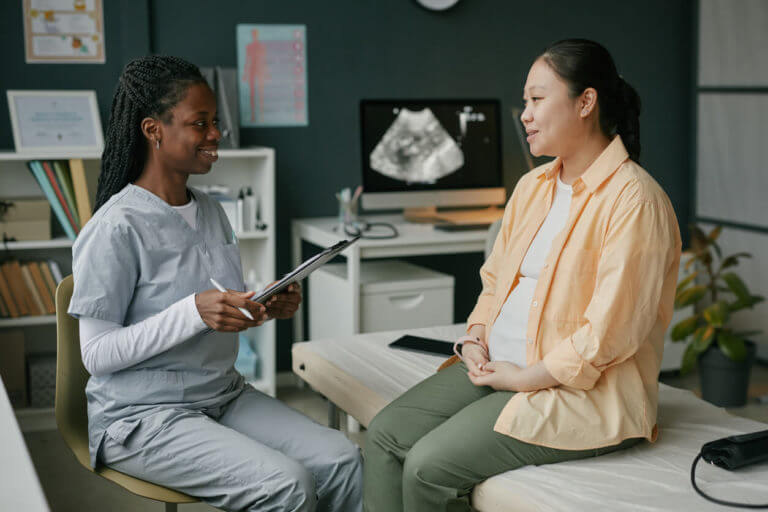
Preparing for pregnancy begins with scheduling a preconception checkup with a qualified healthcare provider. An OB/GYN near NJ can review your medical history, recommend essential lifestyle changes, prescribe prenatal vitamins, and screen for potential complications to ensure a healthy pregnancy.
In short, a proactive approach to preconception health significantly improves the chances of a successful pregnancy and a healthy baby.
- Schedule a preconception checkup. Your healthcare provider will evaluate your current health and identify potential risks before you conceive.
- Adopt healthy lifestyle habits. Eating a balanced diet, maintaining a healthy weight, and avoiding harmful substances are crucial steps for fetal development.
- Manage chronic medical conditions. Working with your provider to control conditions like diabetes or high blood pressure is essential for maternal and fetal safety.
If you are searching for an obgyn near you in NJ, finding the right provider is the most important first step you can take toward a healthy pregnancy. Choosing a compassionate and experienced healthcare professional ensures that you receive personalized guidance throughout your preconception journey. They will help you navigate the physical, emotional, and medical aspects of preparing for a baby.
Medical experts at the CDC recommend scheduling a preconception visit at least three months before you start trying to conceive. This time allows you to make necessary lifestyle changes, start taking prenatal vitamins, and address any underlying health issues. A proactive approach is always better than reacting to complications afterward.
Your preconception appointment is a safe space to ask questions and share any concerns you might have about fertility or pregnancy. Your provider will take a detailed medical history and discuss your current medications. It is the perfect time to build a trusting relationship with an ObGyn near you at Hudson MD Group.
What Are the Benefits of a Preconception Visit?
A preconception visit is a specialized medical appointment focused on your health before you become pregnant. This appointment allows your provider to assess your physical health and offer tailored advice. It is a critical component of family planning.
During this visit, your local NJ OB/GYN will review your personal and family medical history. They will ask about any previous pregnancies, surgeries, or gynecological issues. This information helps them identify any risk factors that could affect your future pregnancy.
Your provider may also recommend specific blood tests or physical examinations. For example, they might perform a routine Pap exam to check for cervical abnormalities. They might also screen for sexually transmitted infections (STIs) to ensure you are healthy before conceiving.
Understanding Your Family Medical History
Your family medical history provides valuable clues about potential genetic conditions that could affect your baby. Your provider will ask about any genetic disorders, birth defects, or intellectual disabilities in your family tree. This information guides their recommendations for genetic carrier screening.
Genetic carrier screening involves a simple blood test or saliva sample. It determines if you or your partner carries genes for conditions like cystic fibrosis, sickle cell disease, or spinal muscular atrophy. If you are a carrier, your provider can discuss your options and refer you to a genetic counselor.
Reviewing Your Current Medications
Many prescription and over-the-counter medications are not safe to take during pregnancy. During your visit, your provider will review all the drugs, supplements, and herbal remedies you currently use. They will advise you on which medications to stop, change, or continue.
For instance, if you take medication for high blood pressure, your provider might switch you to a pregnancy-safe alternative. They will carefully weigh the benefits of the medication against the potential risks to the fetus. Never stop taking prescribed medications without consulting your healthcare provider first.
How Can You Optimize Your Health Before Pregnancy?
Optimizing your health before conception creates the best possible environment for a developing fetus. Your lifestyle choices directly impact your fertility and the overall outcome of your pregnancy. Making positive changes now will benefit both you and your future baby.
A balanced diet rich in fruits, vegetables, whole grains, and lean proteins is essential. These foods provide the necessary nutrients for reproductive health and fetal development. You should also limit your intake of processed foods, refined sugars, and excessive caffeine.
Maintaining a healthy weight is another critical factor in preparing for pregnancy. Being underweight or overweight can affect your hormone levels and make it more difficult to conceive. Your OB/GYN can help you establish a safe and effective weight management plan.
Taking the Right Vitamins and Supplements
Folic acid is one of the most important nutrients for women who are trying to conceive. This essential B vitamin helps prevent major birth defects of the baby’s brain and spine.
You should start taking a daily prenatal vitamin that contains folic acid at least one month before you try to get pregnant. Some women may need a higher dose of folic acid due to specific health conditions or a history of neural tube defects. Your healthcare provider will prescribe the appropriate dosage for your unique needs.
In addition to folic acid, your provider might recommend other supplements based on your blood test results. For example, if you have low iron levels, they may suggest an iron supplement to prevent anemia. Always consult your provider before starting any new dietary supplements.
Adopting a Safe Exercise Routine
Regular physical activity is highly beneficial for your overall health and fertility. Moderate exercise can help you maintain a healthy weight, reduce stress, and improve your cardiovascular fitness. It is generally safe to continue your current exercise routine while trying to conceive.
However, you should avoid extreme or high-impact workouts that could cause injury or excessive physical stress. Activities like walking, swimming, and prenatal yoga are excellent choices for most women. Discuss your exercise habits with your provider to ensure they are safe and appropriate.
Managing Chronic Medical Conditions Before Pregnancy
If you have a chronic medical condition, managing it effectively before you conceive is absolutely crucial. Conditions like asthma, epilepsy, and thyroid disorders require careful monitoring and treatment adjustments. Uncontrolled medical issues can pose significant risks to both the mother and the baby.
Women with type 1 or type 2 diabetes must achieve optimal blood sugar control before becoming pregnant. High blood sugar levels during early pregnancy can increase the risk of birth defects and miscarriage. Your provider will work closely with you to adjust your diet, medications, and insulin regimen.
If you are dealing with high blood pressure, your provider will help you bring it under control safely. They may prescribe a different antihypertensive drug (labetalol) that is considered safer during pregnancy. Regular monitoring and close communication with your healthcare team are vital for managing chronic conditions.
Navigating Mental Health and Pregnancy
Mental health is a critical component of your overall well-being and preconception preparation. Conditions like depression and anxiety can affect your fertility and increase the risk of postpartum depression. It is essential to discuss your mental health history with your provider.
If you are currently taking antidepressants, do not stop taking them abruptly. Your provider will help you evaluate the risks and benefits of continuing your medication during pregnancy. They may recommend cognitive behavioral therapy or other non-pharmacological treatments as supportive measures.
Tracking Your Menstrual Cycle and Ovulation
Understanding your menstrual cycle is the key to knowing when you are most fertile. Ovulation typically occurs about 14 days before your next period begins, but this can vary from woman to woman. Tracking your cycle helps you identify your fertile window and time intercourse accordingly.
You can use various methods to track ovulation, such as ovulation predictor kits, basal body temperature charting, or smartphone apps. Ovulation predictor kits detect the surge of luteinizing hormone in your urine, which occurs just before ovulation. This method is highly accurate and easy to use at home.
If your cycles are irregular, it might be more challenging to predict ovulation. In this case, you should consult an OB/GYN to investigate potential underlying causes, such as polycystic ovary syndrome. They can offer medical interventions, like prescribing ovulation-inducing drugs, to help you conceive.
Frequently Asked Questions (FAQ)
Navigating the preconception period naturally brings up many questions and concerns, which is why finding a trusted ObGyn near you in NJ is the first step toward a healthy, informed pregnancy journey.
How long does it usually take to get pregnant?
For healthy couples in their twenties and early thirties, it typically takes up to one year of unprotected intercourse to conceive.
What foods should I avoid when trying to conceive?
You should avoid consuming high-mercury fish, unpasteurized dairy products, and raw or undercooked meats. These foods can carry harmful bacteria or toxins that are dangerous during early pregnancy. It is also wise to limit your alcohol and caffeine intake.
Is it safe to get an X-ray while preparing for pregnancy?
If you need a medical imaging test, you should inform your ObGyn in NJ that you are trying to conceive. Routine dental X-rays are generally safe when your abdomen is properly shielded.
However, elective imaging should be postponed until you confirm you are not pregnant.
Can my partner improve his fertility?
Yes, male partners play an equal role in conception and should also focus on their health. They should maintain a healthy diet, limit alcohol consumption, quit smoking, and avoid excessive heat exposure to the groin area. A healthy lifestyle improves sperm count and motility.
Schedule an Appointment with an OB/GYN in Essex County, NJ
Taking the first step toward parenthood requires careful planning and expert medical guidance. A trusted provider will help you optimize your health, answer your questions, and support you through every stage of your journey. Do not leave your preconception health to chance.
When you need an OB/GYN near you in NJ, look no further than the dedicated professionals at Hudson MD Group. Our team offers comprehensive preconception counseling, routine gynecological care, and advanced fertility evaluations. We are committed to providing compassionate, evidence-based care to women throughout Northern New Jersey.
Contact us today at (973) 705-4914 to schedule your preconception visit or book your appointment online. We look forward to partnering with you on this exciting journey toward parenthood.