
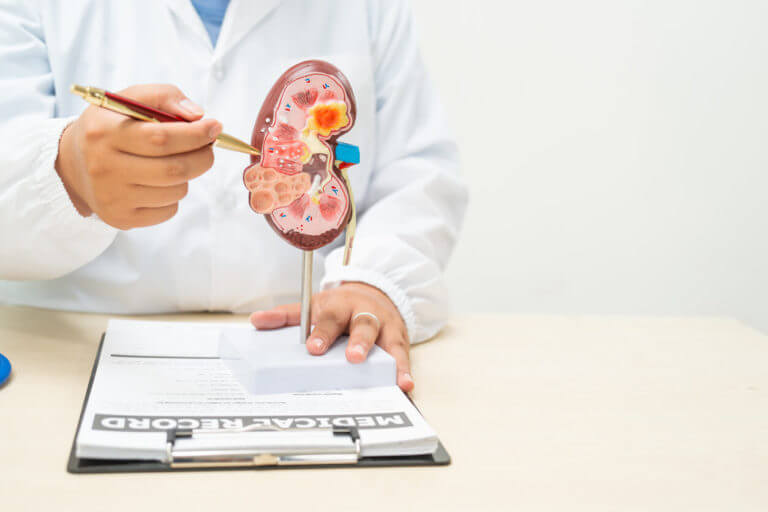
A urologist specializing in kidney stones uses a range of treatments — from watchful waiting to minimally invasive surgery — based on stone size, type, and location. Here is what you need to know.
- Treatment depends on stone size and location. Small stones may pass on their own with fluids and medication, while larger stones typically require a procedure.
- Multiple surgical options exist. A urologist specializing in kidney stones may recommend shock wave lithotripsy, ureteroscopy, or percutaneous nephrolithotomy depending on your specific situation.
- Prevention is part of the plan. After treatment, a urologist will work with you to reduce the risk of future stones through diet changes, hydration goals, and preventive medications.
Kidney stones are one of the most painful urological conditions a person can experience, and they are far more common than many people realize. A 2024 study published in JU Open Plus found that roughly 1 in 11 adults will deal with this condition at some point in their lives. Prevalence was higher in men (54.8%) than in women (45.2%) and peaked at 23.9% in adults aged 70 and older.
If you have been diagnosed with kidney stones, you may be wondering exactly what happens next. Consulting a urologist specializing in kidney stones is the most important step you can take. These specialists have the training, diagnostic tools, and procedural expertise to create a treatment plan tailored specifically to your condition.
This guide walks through everything a urologist does, from diagnosis to treatment to long-term prevention.
What Are Kidney Stones, and Why Does Stone Type Matter?
Kidney stones are hard deposits of minerals and salts that form inside the kidneys. They range in size from a tiny grain of sand to a marble-sized pebble and, in rare cases, even larger. The type of stone you have directly influences how a urologist will approach treatment.
The four main types include:
- Calcium oxalate stones: The most common type, formed when calcium combines with oxalate in urine
- Uric acid stones: More common in people who do not drink enough fluids or who eat a high-protein diet
- Struvite stones: Often linked to urinary tract infections and can grow rapidly
- Cystine stones: A rare type caused by a genetic disorder that causes cystine to leak into urine
Knowing which type of stone you have helps a urologist specializing in kidney stones choose the right medications and prevention strategies in addition to selecting the most effective removal method.
How Does a Urologist Diagnose Kidney Stones?
Before deciding on a treatment plan, a urologist will confirm the diagnosis and gather detailed information about your stone. This process typically involves several types of tests.
Common diagnostic tools include:
- CT scan: A computed tomography scan can identify stones of almost any size and location
- X-ray: Used to detect larger calcium-based stones, though it may miss smaller ones
- Ultrasound: A radiation-free option that is often used for pregnant patients
- Urinalysis: Detects blood, infection, and minerals in the urine that may indicate stone activity
- Blood tests: Check kidney function and measure calcium and uric acid levels
Once a urologist has a complete picture of the stone’s size, composition, and location, they can recommend the most appropriate next step.
When Can Kidney Stones Pass on Their Own?
Not every kidney stone requires a procedure. A urologist specializing in kidney stones will evaluate whether your stone is small enough to pass naturally. This process is sometimes called watchful waiting or conservative management.
A urologist may recommend at-home treatment for up to six weeks if:
- The stone is small enough to pass through the urinary tract
- Pain is manageable with over-the-counter pain relievers
- There are no signs of infection or fever
- The patient can stay hydrated and keep fluids down
- The other kidney is functioning normally
During this waiting period, drinking at least 2 to 3 liters of fluid daily is typically recommended to help move the stone along. A urologist may also prescribe medication to support the process.
What Medications Does a Urologist Use to Treat Kidney Stones?
Medications play a key role in both passing existing stones and preventing new ones from forming. A urologist specializing in kidney stones will select medications based on the stone’s type and the patient’s overall health.
Commonly prescribed medications include:
- Tamsulosin (Flomax): An alpha-blocker that relaxes the muscles of the ureter, making it easier for a stone to pass through
- Potassium citrate (Urocit-K): Used to raise urine pH and reduce the formation of calcium oxalate and uric acid stones
- Allopurinol (Zyloprim): Prescribed to lower uric acid levels in patients prone to uric acid stones
- Thiazide diuretics, such as hydrochlorothiazide (Microzide): Help reduce calcium in the urine, lowering the risk of recurrent calcium stones
- Antibiotics: Used when struvite stones are associated with a bacterial infection
The American Academy of Family Physicians notes that thiazide diuretics, potassium citrate (Urocit-K), or allopurinol (Zyloprim) should be considered after recurrent calcium stone events, even in the absence of identified metabolic abnormalities.
What Procedures Does a Urologist Use to Remove Kidney Stones?
When a stone is too large to pass, is causing severe pain, is blocking urine flow, or is creating a risk of kidney damage, a urologist will recommend a procedure. There are three primary minimally invasive options, each suited to different stone sizes and locations.
What Is Shock Wave Lithotripsy, and When Is It Used?
Shock wave lithotripsy (SWL), also called extracorporeal shock wave lithotripsy (ESWL), is a non-invasive outpatient procedure. A urologist uses focused sound waves to break a stone into smaller fragments that can then pass through urine on their own.
SWL is typically used for:
- Small to medium-sized stones
- Stones located in the kidney or upper ureter
- Patients who are not candidates for more invasive procedures
Because no incisions are involved, recovery time is minimal. Most patients return to normal activity within a day or two.
What Is Ureteroscopy with Laser Lithotripsy?
Ureteroscopy is a minimally invasive outpatient procedure in which a urologist inserts a thin, flexible scope through the urethra and bladder to reach the stone in the ureter or kidney. A small laser fiber is then used to break the stone into fragments, which are either removed or passed naturally.
This procedure works well for:
- Stones that are small to medium in size
- Stones too hard to respond to SWL
- Stones that cannot be seen on an X-ray
- Stones that are stuck in the ureter and cannot pass on their own
What Is Percutaneous Nephrolithotomy?
Percutaneous nephrolithotomy (PCNL) is reserved for large, complex, or numerous kidney stones that do not respond well to less invasive approaches. A urologist makes a small incision in the patient’s back, inserts a scope directly into the kidney, and uses ultrasonic energy to break up and remove the stone.
PCNL is typically recommended for:
- Stones larger than 2 centimeters
- Stones that have not responded to SWL or ureteroscopy
- Patients with multiple stones in a single kidney
Patients generally stay in the hospital for one to two days after this procedure.
How Does a Urologist Prevent Kidney Stones From Coming Back?
Treating the current stone is only part of the process. A urologist specializing in kidney stones will also help identify why the stone formed in the first place and develop a plan to prevent recurrence.
Common prevention strategies include:
- Increased fluid intake: Drinking enough to produce at least 2.5 liters of urine daily significantly reduces stone risk
- Dietary changes: Reducing sodium and animal protein, limiting oxalate-rich foods like spinach and almonds, and increasing calcium-rich foods can all lower risk
- Urine chemistry testing: A urologist may analyze urine over a 24-hour period to identify mineral imbalances that contribute to stone formation
- Stone analysis: If a passed stone is collected, testing it helps determine its composition and tailor preventive treatment
- Preventive medications: Based on stone type and urine chemistry, a urologist may prescribe tamsulosin (Flomax), potassium citrate (Urocit-K), allopurinol (Zyloprim), or hydrochlorothiazide (Microzide)
Frequently Asked Questions (FAQ)
Below, you’ll find common questions about kidney stones, including how to recognize symptoms, how they pass, and when to seek immediate treatment.
What size kidney stone requires surgery?
Stones larger than 5 to 6 millimeters are unlikely to pass on their own and often require a procedure. Stones larger than 10 millimeters almost always need surgical intervention. A urologist will determine the appropriate approach based on size, location, and your overall health.
How long does it take to recover from ureteroscopy?
Most patients return to normal activities within one to three days after ureteroscopy. Some mild discomfort or urinary urgency may persist for a short period. A urologist may place a temporary stent to help the ureter heal, which is typically removed within one to two weeks.
Can kidney stones come back after treatment?
Yes. Without preventive measures, kidney stones have a high recurrence rate. A urologist specializing in kidney stones will evaluate your urine chemistry, review your diet, and recommend medications or lifestyle changes to reduce the risk of new stones forming.
Is shock wave lithotripsy painful?
Shock wave lithotripsy is performed with sedation or anesthesia, so patients do not feel the procedure itself. Some soreness or bruising in the treatment area may occur afterward, and passing stone fragments in urine can cause temporary discomfort. Most patients tolerate recovery well.
What foods should I avoid to prevent kidney stones?
A urologist may recommend limiting sodium, animal protein, and oxalate-rich foods such as spinach, almonds, and chocolate. Staying well hydrated and eating enough dietary calcium with meals is also important for reducing stone risk.
Does drinking more water actually prevent kidney stones?
Yes. Adequate hydration is one of the most effective ways to prevent kidney stones. A urologist will generally recommend drinking enough fluids to produce at least 2.5 liters of urine per day. Water is the best choice, while sugar-sweetened beverages and alcohol should be limited.
When Should You See a Urologist Specializing in Kidney Stones in New Jersey?
Some kidney stone symptoms require immediate medical attention. Go to the emergency room right away if you experience:
- A fever alongside flank or abdominal pain, which may indicate a kidney infection
- Severe, uncontrollable pain
- Persistent vomiting that prevents you from staying hydrated
- Significantly reduced or no urine output
For non-emergency situations, schedule an appointment with a urologist specializing in kidney stones if you have recurring stones, a stone that has not passed after several weeks, or if you want a comprehensive plan to prevent future stones.
At Hudson MD Group in West Orange, New Jersey, our urologist provides comprehensive kidney stone care, from advanced diagnostics to minimally invasive procedures and long-term prevention planning. Whether you are managing your first kidney stone or dealing with a recurring problem, our team is here to help you find relief and protect your kidney health.
Schedule an appointment with Hudson MD Group today by calling (973) 705-4914 or use our online appointment request form to get the expert care you deserve.