
In short, finding the right heart specialist requires careful research and preparation.
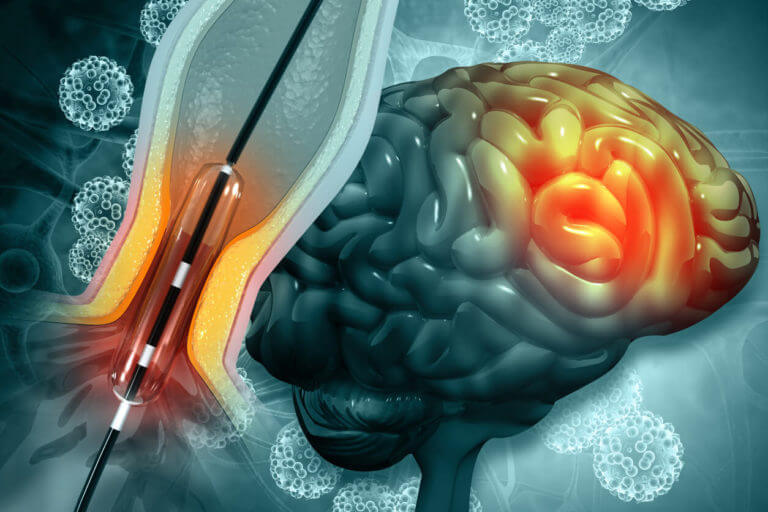
- Understand specific medical expertise. Interventional cardiologists perform minimally invasive procedures to treat heart disease.
- Research recent clinical studies. Modern catheter-based techniques can improve patient outcomes and reduce recovery times.
- Prepare for your appointment. Knowing exactly what to expect will ease your anxiety and help you ask important questions.
An interventional cardiologist is a physician who uses minimally invasive catheter-based techniques to diagnose and treat conditions of the heart. These professionals focus on restoring blood flow and repairing structural issues without the need for traditional open-heart surgery. By knowing what to expect during your visits, you can confidently navigate your journey toward a stronger heart.
What Is the Role of an Interventional Cardiologist?
Interventional cardiologists focus primarily on the blood vessels and the structural components of the heart. They undergo extensive training to master advanced techniques that help patients avoid major surgeries. These professionals utilize imaging tools like an X-ray or a CT scan to guide thin tubes through your blood vessels.
Their primary goal is to diagnose blockages, repair damaged valves, and improve overall cardiovascular function. If you experience chest pain or shortness of breath, a physician might refer you to one of these specialists for a thorough evaluation. They work closely with your primary care provider to ensure you receive comprehensive and compassionate care.
What Conditions Do They Treat?
A highly skilled interventional cardiologist can address a wide variety of serious cardiovascular ailments. They commonly treat coronary artery disease, which occurs when plaque builds up in the arteries that supply blood to the heart. This plaque buildup can lead to life-threatening complications if it remains untreated for too long.
They also manage complex conditions such as a myocardial infarction, which is the medical term for a heart attack. During these emergency situations, these physicians work quickly to remove blood clots and restore oxygen to the heart muscle. They might also prescribe cholesterol medications such as atorvastatin (Lipitor) to help manage your long-term risks.
What Diagnostic Tests Do They Perform?
To properly diagnose coronary artery disease, a provider will order various medical tests to evaluate your cardiovascular system. These might include an electrocardiogram to check the electrical activity of your heart, an echocardiogram to show blood flow, or an exercise stress test. A high-resolution CT scan can also show dangerous calcium deposits and blockages in the heart arteries.
If these noninvasive tests show a problem, the physician might recommend a specialized imaging procedure. This allows them to see exactly how blood is flowing through your heart in real time. They will explain the results of these diagnostic tests in clear and understandable terms.
What Happens During a Visit to an Interventional Cardiologist?
During your initial consultation, the physician will review your medical history and discuss your current symptoms in detail. They might order noninvasive tests to gather more information about your overall heart function. These preliminary steps help them formulate a personalized treatment plan tailored to your specific physical needs.
If the noninvasive tests suggest a severe blockage or a structural issue, they may recommend a catheter-based procedure. They will carefully explain the risks, benefits, and expected recovery process before moving forward. You should always feel free to ask questions until you fully understand the proposed medical intervention.
How Do I Choose the Best Interventional Cardiologist Near Me?
Selecting the right provider involves looking at their credentials, their clinical experience, and their approach to patient care. You want to find someone who communicates clearly and makes you feel comfortable during stressful moments. A great specialist will always take the time to explain your test results and treatment options in simple terms.
It is also beneficial to consider the overall quality of the facility where they perform their medical procedures. Hospitals and clinics that prioritize patient safety and invest in advanced technology tend to deliver much better outcomes. Reading reviews from other patients can provide valuable insight into the bedside manner of the interventional cardiologist that you are considering.
Another factor to consider is the proximity of the clinic to your home or your workplace. A shorter commute reduces the physical stress of traveling to and from your medical appointments. It also ensures that you can reach the facility quickly if an urgent health concern arises.
What Are Important Questions to Ask an Interventional Cardiologist?
Preparing a list of questions before your appointment can help you make the absolute most of your time with the specialist. Clear communication is a crucial cornerstone of compassionate and effective medical care. Consider asking the following questions during your visit:
- Review their medical credentials. Ensure they have the proper education and training.
- Discuss their clinical experience. Ask about their experience with your specific condition.
- Understand the procedure risks. Understand the potential complications and benefits involved.
- Explore alternative medical treatments. Explore all your available options before making a decision.
- Learn about the recovery. Learn exactly how long your healing process will take.
Asking these questions ensures that you and your interventional cardiologist are on the same page. It also helps build a strong foundation of trust and transparency between you and your healthcare provider.
Frequently Asked Questions About Cardiovascular Care
Below are common questions people often have about cardiovascular care.
What is the Difference Between a Cardiologist and an Interventional Cardiologist?
A general cardiologist diagnoses and treats heart conditions using oral medication and lifestyle adjustments. If your condition requires a minimally invasive physical procedure, they will refer you to an interventional cardiologist. The interventional cardiologist performs the actual catheter-based procedures required to repair your heart.
Does Medical Insurance Cover Heart Procedures?
Most major medical insurance plans cover medically necessary heart procedures and diagnostic tests. You should contact your insurance provider directly to understand your specific benefits and your expected out-of-pocket costs.
Our team at Hudson MD Group can also assist you in verifying your specific coverage before you receive any treatment.
How Long Does an Angioplasty Take?
An angioplasty procedure typically takes between one and two hours to complete in a standard hospital setting. However, the preparation and recovery periods will add several more hours to your total appointment time.
Interventional Cardiologist Near West Orange, New Jersey
If you live in Northern New Jersey, finding high-quality and affordable cardiovascular care is likely a top priority. Hudson MD Group provides primary care, urgent care, and specialty medical services to support the health of our local community. We pride ourselves on offering comprehensive and transparent care that prioritizes communication, convenience, and compassion. Our team of experienced doctors is dedicated to providing personalized care with cutting-edge technology and techniques.
One of our specialties at Hudson MD Group is interventional cardiology. This branch of cardiology focuses on diagnosing and treating heart diseases using minimally invasive procedures such as angioplasty or stent placement. These interventions can help improve blood flow and alleviate symptoms such as chest pain or shortness of breath.
Our highly skilled interventional cardiologists have extensive training in the latest techniques and technologies. They work closely with each patient to develop a personalized treatment plan based on their unique needs and medical history. Our goal is not only to treat the disease but also to support our patients in making lifestyle changes that can improve their overall heart health.
To learn more about us or schedule a consultation, call us at (973) 705-4914 or fill out our appointment request form.