
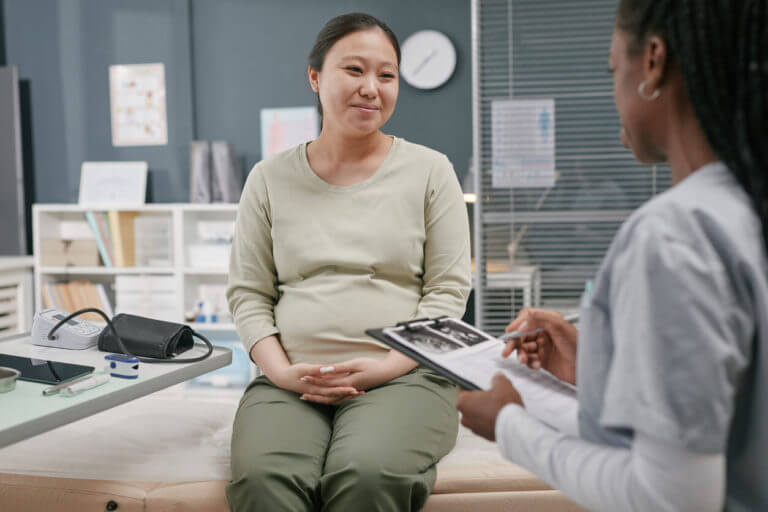
In short, scheduling your first visit to a gynecologist is a major milestone in taking charge of your reproductive health.
- Prioritize preventative care. Regular wellness visits allow your doctor to detect potential health issues early.
- Prepare your questions. Writing down concerns beforehand helps ensure you get the answers you need.
- Understand the exam. Knowing what to expect during the physical exam can significantly reduce anxiety.
Establishing a relationship with a trusted specialist ensures that you have a partner in navigating changes in your body. This guide will provide comprehensive tips to help you prepare for and navigate your first appointment with confidence.
Why Is It Important to Visit an OB/GYN?
An obstetrician-gynecologist, or OB/GYN, specializes in female reproductive health, pregnancy, and childbirth.
Many individuals believe they only need to see a specialist if they are pregnant or experiencing symptoms. However, the American College of Obstetricians and Gynecologists (ACOG) recommends that the first reproductive health visit happen between ages 13 and 15.
Regular visits are crucial for preventative healthcare. They provide an opportunity to discuss reproductive maturity, safe sexual practices, and menstrual irregularities.
Screening for cervical cancer is a primary component of these visits for older patients. A study published by the Centers for Disease Control and Prevention (CDC) highlights that screening tests can prevent most cervical cancers by finding abnormal cells before they turn into cancer.
Furthermore, these appointments allow for the detection and treatment of sexually transmitted infections (STIs). Many STIs do not show immediate symptoms, making testing essential for sexually active individuals.
How Do I Find the Best OB/GYN Near Me in NJ?
Here are some steps to follow to find the best OB/GYN in NJ.
Start with a Search Engine
The first step to finding the best OB/GYN near you in NJ often begins with a simple online search. Typing “OB/GYN near me in NJ” into a search engine will yield plenty of results. However, you’ll need to refine these options to identify the best provider for your specific needs.
Check Your Health Insurance Network
Before scheduling an appointment, verify which OB/GYNs are covered under your health insurance plan. Contact your insurance provider or check their online directory to ensure the doctor you’re considering is in-network. This step can save you from unexpected costs later on.
Read Patient Reviews and Testimonials
Reviews are a valuable resource when evaluating potential OB/GYNs. Look for consistent themes in patient feedback, such as bedside manner, wait times, communication skills, and office cleanliness.
Keep in mind, a single negative review doesn’t necessarily mean the doctor is a poor choice, but patterns of dissatisfaction could be a red flag.
Consider the Doctor’s Hospital Affiliation
The hospital a doctor is affiliated with can make a significant difference, especially if you anticipate needing surgery or pregnancy care. Make sure the OB/GYN you choose is associated with a reputable hospital in New Jersey that meets your standards for quality and care.
Ask for Personal Recommendations
Sometimes, the best insights come from people you trust. Ask friends, family members, or colleagues for recommendations. Personal experiences often provide a clearer picture of what to expect than online reviews alone.
What Should I Do to Prepare for My Appointment?
Preparation can help alleviate anxiety and ensure the appointment runs smoothly. Start by gathering your medical history, including any major illnesses or surgeries you have had.
You should also know the medical history of your immediate family. Conditions such as breast cancer, ovarian cancer, or blood-clotting disorders in your family are relevant to your care.
Track your menstrual cycle before you go. Your doctor will ask about the first day of your last period, how long your cycle lasts, and if your flow is heavy or light.
Write down a list of questions or concerns you have. It is easy to forget what you wanted to ask once you are in the examination room.
Avoid sexual intercourse, douching, or using vaginal creams for 24 hours before your visit. These activities can irritate the vaginal tissue or alter test results, particularly for a Pap exam.
What Happens During the Physical Exam?
A nurse will start by taking your vital signs, including your weight and blood pressure. You will then be asked to change into a gown. The doctor will likely perform a general physical exam, listening to your heart and lungs.
A clinical breast exam is usually next. The doctor will check your breasts and underarms for lumps, skin changes, or other abnormalities.
The pelvic exam consists of three parts: looking at the vulva, the speculum exam, and the bimanual exam. First, the doctor examines the external genitalia for signs of irritation or infection. Next, the doctor inserts a speculum into the vagina. This instrument separates the vaginal walls so the doctor can see the cervix.
During the speculum exam, the doctor may perform a Pap exam. This involves collecting a small sample of cells from the cervix to screen for cervical cancer.
Finally, the doctor performs a bimanual exam. They insert one or two gloved fingers into the vagina while pressing on your abdomen with the other hand to check the size and shape of your uterus and ovaries.
What Questions Should I Ask My Doctor?
Your appointment is a two-way conversation.
Do not hesitate to ask about birth control options if you are trying to prevent pregnancy. Discuss vaccination against human papillomavirus (HPV). The HPV vaccine is highly effective in preventing infections that cause the majority of cervical cancers.
Inquire about STI testing frequency for you. Depending on your sexual history, your doctor may recommend different testing schedules.
If you are planning to become pregnant, ask about preconception care. This might include starting prenatal vitamins or adjusting current medications.
How Often Should I See My OB/GYN?
Standard guidance suggests visiting your OB/GYN once a year for a wellness exam. This annual visit is a cornerstone of preventative healthcare.
However, you may need to visit more frequently if you have specific health issues. Pregnancy, for example, requires a rigorous schedule of prenatal visits.
If you experience new symptoms, you should not wait for your annual exam. Symptoms like unusual discharge, pelvic pain, or lumps in the breast require immediate attention.
Ensure the practice you choose has availability that matches your schedule for these recurring visits.
Why Choose Hudson MD Group as Your OB/GYN in NJ?
Your health journey deserves a compassionate and experienced team. Hudson MD Group offers comprehensive women’s health services tailored to your unique needs.
We offer convenient scheduling to accommodate your busy life. Whether you need a routine check-up or specialized care, we are here to help. Our multispecialty approach ensures all aspects of your health are considered. We coordinate care seamlessly if you need referrals to other specialists within our group.
Do not delay your essential screenings any longer. Taking the first step is often the hardest, but it is the most rewarding for your long-term health.
To schedule your first appointment, contact our office today at (973) 705-4914 or use our appointment request form.